Puyallup Valley Chronicles: A Journey Through Time

Puyallup, South Hill · Community Photo
Welcome to the Puyallup Valley, a region with a rich history that mirrors the transformative journey of the Pacific Northwest from untamed wilderness to a vibrant, diverse community. Before the first European settlers set foot in the Puyallup Valley, it was a dense, wild place. Dr. Tolmie, making his way through in 1833, encountered a landscape dominated by massive log jams, frequent floods, and a forest so thick that neighbors could live in ignorance of each other's proximity. The valley's transformation began in earnest with the arrival of the first white settlers in 1853, part of a wagon train daring to cross the Cascades at Naches Pass. Among these pioneers were figures such as Ezra Meeker, who, after initial reservations, would come to leave an indelible mark on the valley.
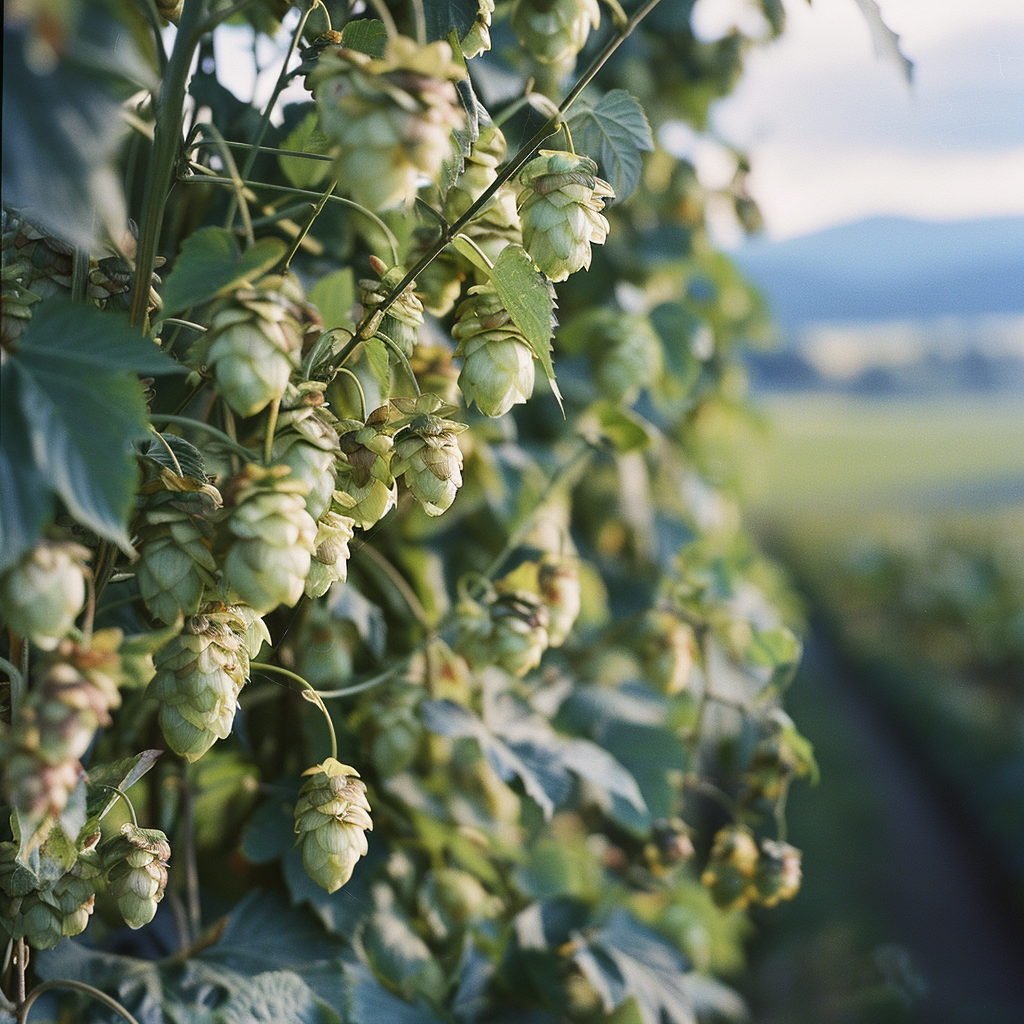
Amid the Native American War of 1855-56 and the contentious signing of the Medicine Creek Treaty, many early settlers sought refuge at Fort Steilacoom, leaving behind a lone cabin spared by the conflict. Ezra Meeker himself would go on to play a pivotal role in the valley's development, purchasing a squatter’s claim and eventually earning the moniker "Hop King of the World" as he pioneered the valley's once-thriving hop industry. This industry, booming until a devastating hop lice infestation in 1891, laid the groundwork for Puyallup’s transformation into an agricultural hub. From the humble beginnings of the valley's first educational institution in a blockhouse to the incorporation of Puyallup as a city, the region has shown remarkable adaptability and resilience, setting the stage for the diverse economic and cultural landscape we see today.
- A glimpse into Puyallup Valley's agrarian history: From hops to poultry. Source: puyallupmainstreet.com